Dog Bite · No Fee Unless We Win
We fight for injured dog bite victims.
A dog bite can result in serious injuries and unexpected costs. Our attorneys help victims navigate insurance claims and pursue compensation after a dog attack.
Key Highlights
Dog Attacks Can Lead to Serious Injuries
Dog bites and attacks may cause severe wounds, nerve damage, lasting scars, infections, and emotional trauma that can require ongoing care and treatment.
Dog Owners May Be Responsible for Their Pets’ Actions
In many states, dog owners can be held strictly liable for injuries caused by their animals, especially when a dog was not properly controlled or had a known history of aggressive behavior.
Dog Bite Victims May Recover Compensation
Victims of dog attacks may be able to seek compensation for medical expenses, reconstructive procedures, lost income, physical pain, and emotional suffering.
Take Action After a Dog Attack
If you were injured by a dog bite or attack, contact All 50 Law to learn about your options for pursuing compensation for your injuries and trauma.
6 Stages of Dog Bite Injuries
No Skin Contact
Aggressive dog behavior can still cause fear and emotional distress. Our attorneys help you understand your legal options and pursue fair compensation when available.
Teeth Contact Without Skin Break
Even when a dog’s teeth do not break the skin, the incident can be frightening and traumatic. We help guide you through the process of seeking justice.
Single or Multiple Bites With Skin Breaks
Bites that break the skin may result in infections, scarring, and other injuries. Our team helps victims pursue the medical support and compensation they may need.
Deep Puncture Wounds and Bruising
Deep punctures and bruising from dog bites can cause serious and lasting injuries. Our attorneys work to hold responsible parties accountable.
Multiple Severe Bites
Severe attacks involving multiple bites can result in significant physical injuries and emotional trauma. We are here to help protect your rights and pursue recovery.
Fatal Dog Bites
Fatal dog attacks can have devastating effects on families. Our compassionate team helps families seek justice and pursue financial recovery after a loss.
A dog bite case has three essentials:
- 01
Injuries or damages
- 02
Proof of liability
- 03
Documents or Records
Free guide
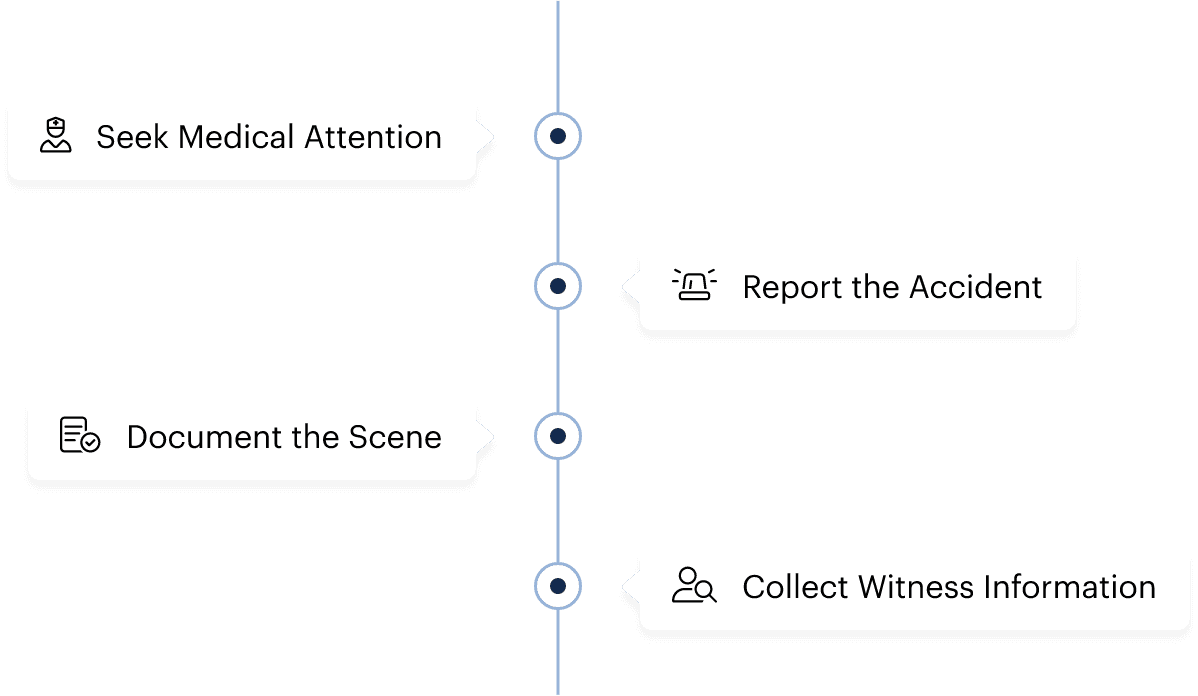
8 Steps to Take After a Dog Bite Attack
Learn what to do after a dog bite, from getting medical care and documenting the attack to protecting your health and legal rights.
Why Hire All 50 Law for Your Car Accident Case?
Early Response Team.
We act quickly within hours to preserve evidence before it can be lost or destroyed.
No Fee Unless We Win.
We cover all case expenses so you pay nothing while your claim is in progress. You don’t pay unless we secure compensation for your case.
Litigation-Ready Strategy.
We prepare every case for trial that strengthens leverage against insurance companies.
Nationwide Coverage.
We handle cases across the country, no matter where your accident happened.
Common Injury Types
Puncture Wounds
Deep bite punctures can affect muscles and underlying tissue, often requiring medical care to prevent complications.
Nerve Damage
Dog bites may damage nerves, causing pain, numbness, or reduced function. Treatment may involve surgery, therapy, and ongoing rehabilitation.
Crushing Injuries
Severe bites can damage bones and soft tissue, leading to lasting impairments that may require extensive treatment and rehabilitation.
Scars
Dog bite injuries may leave permanent scars that affect victims physically and emotionally, with some cases requiring reconstructive procedures.
Lacerations
Dog bites can create deep cuts that result in bleeding, scarring, and possible surgical treatment.
Infection
Dog bite wounds can become infected, including serious bacterial infections or rabies exposure, and may require antibiotics and medical monitoring.
Questions
Frequently asked questions.
What Should I Do After a Dog Bite Incident?
A dog bite can be a painful and frightening event. Taking the right actions after an attack can help protect your health, preserve important details about what happened, and support a potential legal claim. If you have been injured by a dog bite, consider these steps: 1. Move Away From the Dog Safely Your first priority should be reaching a safe location and avoiding additional harm. Carefully create distance between yourself and the animal. If the dog remains aggressive or continues to pose a danger, avoid actions that may escalate the situation and contact animal control or local authorities for assistance. 2. Seek Medical Treatment Dog bites should always be taken seriously, even when the wound appears minor. Bacteria from an animal bite can cause infections and other medical complications. When possible, clean the wound gently with soap and water and cover it with a clean dressing. You should also seek medical care for a proper evaluation and treatment plan. A healthcare provider may recommend additional care, such as: Antibiotics to prevent or treat infections A tetanus shot Rabies-related treatment when necessary Emergency medical attention may be required for wounds that are deep, heavily bleeding, swollen, or showing possible signs of infection, including redness, warmth, or drainage. 3. Gather Information About the Dog and Owner If it is safe to do so, collect information about the dog and the person responsible for it. Details that may be helpful include: The dog owner’s name and contact information The breed and identifying characteristics of the dog Vaccination information, including rabies records If the dog is a stray or the owner cannot be identified, report the incident to animal control so the situation can be handled appropriately. You should also record important details about the attack, including the location, date, time, events leading up to the bite, and contact information for anyone who witnessed what happened. 4. Report the Dog Attack Depending on the requirements in your area, a dog bite may need to be reported to animal control, police, or another government agency. Creating an official report documents the incident and may allow authorities to investigate, monitor the animal, and address possible safety concerns. 5. Document Your Injuries and Preserve Evidence Evidence can play an important role in a dog bite claim. Take photographs of your injuries as soon as possible and continue documenting your recovery process. Important information to preserve may include: Photos of the location where the attack happened Contact information for witnesses Medical records and treatment details Information about the dog and its owner Keeping organized records can help demonstrate how the attack affected your health, recovery, and daily activities. 6. Speak With a Dog Bite Attorney at All 50 Law If a dog attack caused serious injuries, medical expenses, lost income, or emotional distress, an attorney can help you understand the legal options available. All 50 Law can review the details of your case, identify parties who may be responsible, and help pursue compensation for losses connected to your injury. 7. Continue Medical Treatment and Track Your Recovery Follow your healthcare provider’s instructions and attend recommended appointments. Complete prescribed treatments, including medications, therapy, or vaccinations. Monitor your injury for changes such as increased pain, swelling, redness, or other signs of complications. Seek additional medical care if your condition becomes worse. 8. Address Emotional Effects After the Attack A dog bite can affect more than your physical health. After a frightening or severe attack, some victims experience anxiety, fear of dogs, stress, or emotional trauma that interferes with everyday activities. If you are experiencing emotional difficulties after the incident, speaking with a qualified mental health professional may provide support and help you cope with the effects of the attack. Following these steps after a dog bite can help protect your health, preserve important evidence, and create a stronger foundation if you decide to pursue a legal claim.
What Are State-Specific Laws and Statutes Regarding Dog Bite Liability?
Dog bite laws vary by state, and the rules that determine responsibility can depend on where the attack occurred and the circumstances involved. Some states hold dog owners responsible automatically, while others require proof that the owner acted negligently or knew the dog posed a potential danger. Understanding the laws in your state is an important step when evaluating a possible dog bite claim. Strict Liability Laws Some states follow strict liability rules for dog attacks. Under these laws, a dog owner may be responsible for injuries caused by their animal even if the dog had no previous history of aggression and the owner did not act carelessly. In these cases, an injured person generally must show that the dog caused the injury and that the attack resulted in damages. The One-Bite Rule Some states follow what is commonly known as the “one-bite rule.” Under this approach, a dog owner may be held responsible if they knew or should have known that the animal had dangerous tendencies. Evidence that may support this type of claim can include: Previous bites or attacks Aggressive behavior toward people or animals Complaints or warnings about the dog Records showing the owner was aware of potential risks Negligence-Based Dog Bite Claims Many dog bite cases involve claims that an owner failed to take reasonable steps to prevent an attack. Negligence may occur when an owner does not properly control, restrain, or supervise their animal. Examples of negligent actions may include: Allowing a dog to roam freely Failing to secure a dog with proper restraints Ignoring known aggressive behavior Violating local animal control rules To pursue a negligence claim, the injured person generally must show that the owner’s actions or failure to act contributed to the attack and resulting injuries. Comparative or Contributory Negligence Rules Some states consider the actions of the injured person when reviewing a dog bite claim. A dog owner may argue that the victim’s actions played a role in causing the incident. State laws vary, and shared responsibility may affect the amount of compensation available in some cases. Leash and Restraint Laws Many states and local communities require dog owners to keep their animals properly controlled in public areas. These requirements may include using leashes, secure fencing, or other safety measures. A violation of local restraint laws may provide important evidence in a dog bite case by showing that the owner failed to follow required safety standards. Dangerous Dog Regulations Some states have additional rules for dogs that have been classified as dangerous or have shown aggressive behavior. These laws may require owners to take extra precautions, such as using special restraints, increasing supervision, or following specific safety requirements. Failure to follow these rules may increase an owner’s potential responsibility after an attack. Because dog bite laws differ across the country, evaluating your legal options requires reviewing the facts of your case and the laws that apply where the injury occurred. A dog bite attorney at All 50 Law can help explain your rights and the steps available for pursuing compensation.
What Are Common Injuries From Dog Bite Attacks?
Dog attacks can cause injuries ranging from minor wounds to severe physical and emotional harm. The seriousness of an injury can depend on factors such as the dog’s size, the location of the bite, and the force involved during the attack. Common injuries caused by dog bites include: Puncture Wounds A dog’s teeth can create deep puncture wounds that damage tissue beneath the skin. These injuries can introduce bacteria into the body and may require medical treatment to prevent infection and other complications. Lacerations and Cuts Dog bites can cause deep cuts or tears in the skin. Serious lacerations may require stitches, surgery, or ongoing medical care and can leave permanent scars. Abrasions Abrasions occur when a dog’s teeth or claws scrape the skin. Although these injuries may appear less severe, they can still become infected without proper cleaning and treatment. Bruising and Soft Tissue Injuries The force of a dog attack can cause bruising, swelling, and damage to muscles or other soft tissues. These injuries may occur from the bite itself, being knocked down, or contact with the animal. Infections Dog bites can introduce harmful bacteria into the body and may lead to serious infections. Treatment may include antibiotics, medical monitoring, or additional care depending on the severity of the injury. Nerve Damage Severe dog bites can damage nearby nerves, causing numbness, tingling, weakness, or loss of sensation. Some nerve injuries may require surgery, rehabilitation, or long-term treatment. Muscle and Tendon Injuries Deep bites can damage muscles, tendons, and other structures beneath the skin. Injuries involving the hands, arms, and legs may affect movement and require physical therapy or surgical care. Fractures A powerful dog bite or forceful attack can sometimes cause broken bones, especially when the victim falls during the incident. Fractures may require casts, surgery, rehabilitation, or other medical treatment. Scarring and Disfigurement Dog bites can leave lasting scars, especially when injuries occur on visible areas such as the face, hands, or arms. Some victims may need reconstructive procedures to address permanent changes. Emotional and Psychological Trauma The effects of a dog attack can extend beyond physical injuries. Victims may experience anxiety, fear, stress, or emotional trauma that affects their daily lives and may require counseling or other support. Rabies Exposure Rabies exposure is a serious concern after certain animal bites. A medical professional can evaluate the circumstances of the attack and determine the appropriate treatment options. Loss of Function or Amputation In severe cases, extensive damage to nerves, muscles, or limbs can result in permanent impairment. Some serious attacks may require major medical procedures or result in loss of function. Facial Injuries Dog bites involving the face can cause significant physical and cosmetic damage. Injuries to the lips, cheeks, or jaw may require specialized treatment or reconstructive surgery. Eye Injuries A dog attack near the eyes can cause serious complications, including damage to surrounding tissue or vision problems. Prompt medical evaluation is important for these injuries. Because dog bites can lead to serious complications, seeking medical attention quickly is important. Proper treatment can support recovery while also creating documentation of your injuries if you decide to pursue a legal claim.
Who Is Liable in Dog Bite Lawsuits?
Determining responsibility after a dog bite depends on several factors, including state laws, where the attack occurred, and the actions of the people involved. While the dog owner is often the primary person responsible, other parties may also share liability in certain situations. The Dog Owner In many dog bite cases, the owner may be responsible for injuries caused by their animal. Liability can depend on state laws, including strict liability rules, negligence standards, and requirements involving knowledge of the dog’s behavior. A dog owner may be held responsible if they: Failed to properly restrain or control the dog Allowed unsafe conditions that contributed to the attack Ignored signs of aggressive behavior Violated local animal control requirements The rules that apply can differ by location. Some states impose responsibility even when an owner had no prior warning about the dog, while others require proof that the owner knew or should have known about a potential danger. Property Owners A property owner may share responsibility for a dog bite in certain situations. This can happen when the property owner knew about a dangerous animal on the premises and failed to take reasonable steps to protect visitors. Factors that may affect a property owner’s responsibility include their control over the property, knowledge of the animal’s behavior, and applicable state laws. Dog Handlers and Care Providers Individuals responsible for caring for or handling a dog may be liable if their actions contributed to the attack. This may include: Dog trainers Boarding facilities Animal shelters Dog walkers Temporary caregivers A handler or care provider may be responsible if they failed to properly supervise or control the animal. Dog Sitters and Temporary Caretakers A person watching a dog at the time of an attack may be responsible if they failed to use reasonable care. For example, liability may arise when a caretaker allows an unsafe situation despite knowing the animal could present a risk. Landlords In some cases, landlords may face liability after a dog bite involving a rental property. This may apply when a landlord knew about a dangerous animal and failed to take appropriate action. A landlord’s potential responsibility depends on factors such as control over the property, awareness of the dog’s behavior, and state-specific laws. Government Entities A government entity may potentially be involved when a dog bite occurs on public property or in a government-controlled location. These cases may involve specific legal requirements, notice rules, and limitations that differ from typical personal injury claims. Insurance Companies Insurance coverage may play a role in some dog bite claims. Homeowners or renters insurance policies may provide coverage for certain injuries caused by pets, depending on the policy terms. An insurance company may handle the claim process, but it does not replace the need to understand your legal rights or evaluate the full value of your damages. Because liability in dog bite cases depends on the specific facts and applicable laws, speaking with a dog bite attorney at All 50 Law can help you identify potentially responsible parties and understand your options for pursuing compensation.
How Do I Prove Negligence in a Dog Bite Claim?
To prove negligence in a dog bite case, you generally need to show that a dog owner or another responsible party failed to take reasonable precautions and that this failure caused your injuries. A negligence claim typically involves four key elements: Duty of care Breach of duty Causation Damages 1. Duty of Care The first step is showing that the dog owner had a responsibility to act reasonably and prevent their animal from harming others. Dog owners are generally expected to take appropriate precautions to control their pets and reduce the risk of injury. This may include: Keeping the dog properly restrained Following leash and animal control laws Securing the animal in a safe area Taking precautions based on the dog’s behavior and history The specific duties of a dog owner can vary depending on the circumstances and laws where the incident occurred. 2. Breach of Duty The next step is showing that the owner failed to meet their responsibility to keep others safe. A breach of duty may occur when an owner: Allows a dog to run loose Fails to properly secure the animal Ignores warnings about aggressive behavior Does not take reasonable action after learning the dog may be dangerous Evidence showing that an owner failed to act responsibly can help support a negligence claim. 3. Causation You must also connect the owner’s actions or failure to act with the dog bite and resulting injuries. This means showing that the negligence directly contributed to the attack. For example, if a dog escaped because it was not properly secured and injured someone, evidence may help establish that the lack of proper restraint caused the incident. 4. Damages The final element involves showing that the dog bite caused measurable harm. Damages may include: Medical expenses Lost wages or reduced earning ability Physical pain and suffering Emotional distress Scarring or permanent injuries Future medical treatment costs Medical records, photographs, witness statements, and other documentation can help demonstrate the impact of the attack.
Evidence That May Support a Dog Bite Negligence Claim
Strong evidence can help establish what happened, identify responsible parties, and support a dog bite injury claim. The type of evidence needed can vary depending on the circumstances of the attack, but important documentation may include: Witness Statements People who saw the dog attack or have knowledge of the animal’s previous behavior may provide valuable information. Witness accounts can help explain how the incident occurred and support your version of events. Prior Incidents Records of previous bites, aggressive behavior, complaints, or warnings about the dog may help show that the owner was aware of a potential risk. Evidence of earlier incidents may include: Animal control reports Neighbor complaints Previous injury claims Records involving aggressive behavior Local Rules and Violations Violations of leash laws, animal control requirements, or local safety rules may support a claim that the owner failed to act responsibly. Examples may include: Allowing a dog to roam freely Failing to use required restraints Ignoring local dangerous animal regulations Veterinary and Animal Records Veterinary records or other documentation related to the dog’s history may provide information about prior behavior, health concerns, or restrictions involving the animal. These records may help determine what the owner knew about the dog and what precautions should have been taken. Photos and Videos Photos and videos can provide important details about the attack and its aftermath. Helpful evidence may include: Images of your injuries Photos of the location where the bite occurred Pictures showing unsafe conditions or lack of restraints Security footage or other recordings of the incident Medical Documentation Medical records can help demonstrate the severity of your injuries and the treatment required after the attack. Important records may include: Emergency room visits Doctor appointments Prescriptions Treatment plans Rehabilitation records Proving negligence requires reviewing the facts of the attack and the laws that apply to your situation. A dog bite attorney at All 50 Law can help evaluate available evidence and determine the best approach for pursuing compensation.
Can I Sue If the Dog Bite Happened on Public Property?
A dog bite that occurs on public property may still result in a legal claim. The ability to recover compensation depends on factors such as state laws, the circumstances of the attack, and the actions of the people responsible for the animal. In many cases, the dog owner may be the primary party responsible for injuries caused by the attack. A claim may involve questions such as: Was the dog properly restrained? Did the owner violate leash laws or local regulations? Did the owner know about aggressive behavior? Did someone fail to take reasonable precautions to prevent the attack? Other parties may also become involved depending on where the incident happened and who had control over the area or animal at the time. For example, responsibility may involve: A property owner who allowed unsafe conditions A landlord aware of a dangerous animal on the premises A caretaker or handler who failed to properly supervise the dog A government entity responsible for maintaining a public area Public property dog bite claims can involve specific legal requirements and deadlines. Speaking with a dog bite attorney at All 50 Law can help you understand your rights, evaluate your claim, and determine the next steps available for seeking compensation.
What if I was hit by an uninsured or underinsured driver?
You may still have options through your own insurance policy or other legal avenues. We’ll review every possible source of coverage to get you paid.
How long will my case take?
Some cases settle in a few months, while others take longer – especially if we need to go to trial. Our goal is to move quickly while making sure you get the maximum compensation possible.
Will I have to go to court?
Most car accident cases settle out of court. But if the insurance company refuses to offer a fair amount, we’re fully prepared to take your case to trial and fight for you in front of a jury.
Clients' words
Our clients say it better than we can.
From the moment I reached out, the All 50 team treated me with genuine kindness and respect. I actually felt heard and supported, and they went above and beyond to make sure everything was handled with care. I can’t say enough how grateful I am for their help.
The customer service person that called me was very attentive and knowledgeable. And helped me to address my problem much better, and also informed me when I would need an attorney. That you very much for the consultation.
They were extremely patient. I had a lot of questions and they never made me feel bad about it. Everything was explained clearly and in plain English. I appreciated that so much.
Very nice and professional. Gave me the opportunity to learn about a malpractice lawsuit.
The assistance I received was great. She listened and helped me find a good counsel.
I really appreciate the feedback I received from the man whom directed my information. He was very helpful and stayed in contact. Very thoughtful and professional.
I received excellent service very professional.
Results may vary depending on your particular facts and legal circumstances. Based on select nationwide reviews.
More ways we help
Explore other practice areas.
Contact us 24/7
No Fee Unless We Win.
Start In A Few Steps
Let us know what happened and we’ll handle the rest.
Prefer to talk? Call now(866) 890-7243