Can You Still Suffer a Head Injury Even With a Helmet On?
July 31, 2026 · All 50 Law Team
Direct Answer Summary
Yes. A helmet can lower the risk of a serious head injury, but it cannot remove that risk completely. A person may still suffer a concussion, skull fracture, contusion, or more severe brain trauma if the force of the impact is too great, the helmet is defective, the fit is wrong, or the helmet is not designed for the type of activity involved.
Short Answer
Helmets help protect the head, but they do not guarantee that a person will avoid a brain injury.
Key Takeaways
- Helmets are built to absorb and spread out impact force, not to make head injuries impossible
- A person can still suffer a concussion, skull fracture, brain contusion, or diffuse axonal injury while wearing a helmet
- High-force impacts, rotational movement, poor fit, worn-out helmets, defects, and using the wrong type of helmet can all reduce protection
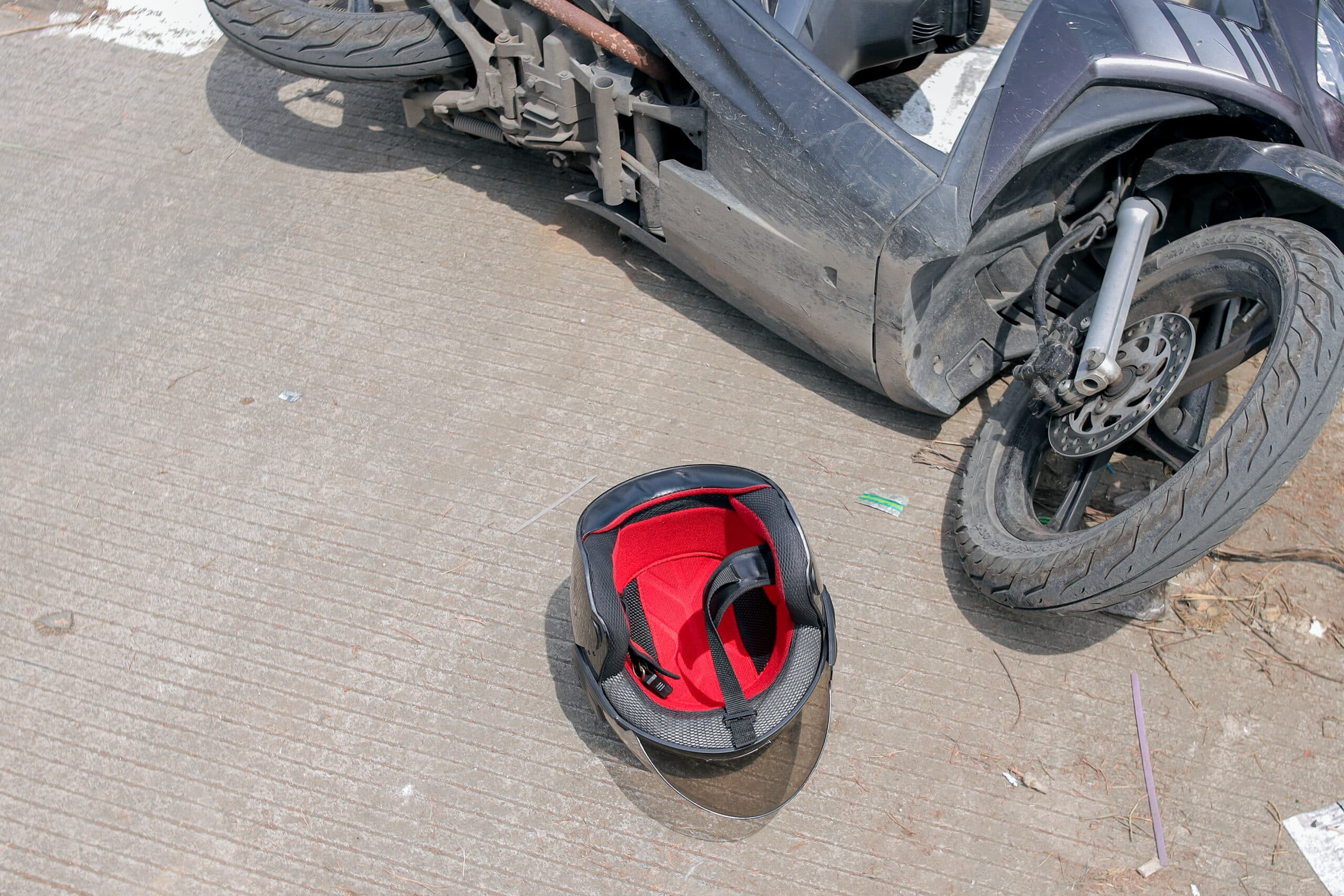
- Medical care, scene documentation, and keeping the damaged helmet can matter after the injury
- Liability may involve a negligent driver, property owner, or helmet manufacturer, depending on how the injury happened
Why This Matters
Many people assume that if a helmet was worn, a serious head injury could not have happened. That assumption can delay treatment, blur liability, and weaken important evidence. A helmet is a major safety tool, but it is still only one layer of protection.
How Do Helmets Help Protect the Head
Helmets are designed to reduce the force that reaches the skull and brain during an impact.
Most helmets use a hard outer shell to resist penetration and an inner foam layer to absorb and spread out energy. Different helmets are built for different risks. A bicycle helmet is meant to cushion falls and direct blows, a motorcycle helmet is built for much stronger roadway impacts, and a construction helmet is designed to protect against falling objects.
Why Can a Head Injury Still Happen Even With a Helmet On
A helmet has limits, and some crashes create forces that go beyond what the helmet can control.
A helmet may reduce direct force to the head, but it cannot fully stop the brain from moving inside the skull during a sudden blow or violent rotation. Severe impacts, sharp changes in direction, and extreme force can still lead to brain trauma even when the helmet was worn correctly.
What Kinds of Head Injuries Can Still Happen
A helmeted person can still suffer both mild and severe head injuries.
Possible injuries include:
- Concussions
- Brain contusions
- Skull fractures
- Diffuse axonal injuries
A concussion can happen when the brain moves rapidly back and forth inside the skull after a blow or jolt. A contusion can occur when the force is strong enough to bruise brain tissue. Skull fractures may still happen if the impact overwhelms the helmet’s protective capacity. Diffuse axonal injury is one of the more serious forms of brain trauma and is often linked to violent rotational force or shaking.
What Usually Causes These Injuries Despite Helmet Use
The most common reasons involve force, fit, damage, defects, or using the wrong helmet for the situation.
Common causes include:
- Severe or high-speed impacts
- A helmet that is too loose, too tight, or not secured correctly
- A damaged, worn-out, or previously impacted helmet
- A counterfeit or poorly made helmet
- A helmet not designed for the activity involved
A sports helmet built for low-speed contact may offer limited protection in a high-speed motorcycle crash. A bicycle helmet worn too far back can leave the forehead exposed. A helmet that already took a prior impact may also fail to perform the way it should.
How Does Rotational Force Make Head Injuries Worse
Rotational force can twist the brain inside the skull, and helmets cannot completely eliminate that movement.
This matters because some of the most serious brain injuries are not caused only by a straight-on blow. They happen when the head snaps, turns, or jolts suddenly, causing damage across different parts of the brain. That is one reason a person can wear a helmet and still suffer a traumatic brain injury.
Can Helmet Condition Affect Protection?
Yes. A helmet in poor condition may not protect the wearer the way it should.
Protection can drop when a helmet has:
- Years of wear and tear
- Damage from a prior impact
- Internal defects
- Damage from heat, sunlight, or environmental exposure
Even if the outside looks fine, the inside structure may already be compromised. That can matter a lot in a later collision.
Does Proper Fit Really Matter?
Yes. A poorly fitted helmet can leave parts of the head exposed or shift during impact.
A helmet should sit securely without excessive movement and should be positioned correctly on the head. Wrong size, loose straps, or bad placement can all reduce protection and increase the risk of injury.
Can a Helmet Ever Make an Injury Worse?
In some situations, a poorly fitted, defective, or degraded helmet may create extra problems instead of reducing them.
Examples include a helmet that fits too tightly, one with hidden structural flaws, or one that has been weakened by harsh conditions and ends up breaking on impact. The main takeaway is that simply wearing a helmet doesn’t guarantee it’s working as intended.
How Can You Tell Whether a Helmet Meets Safety Standards
Check for recognized certification labels and buy from a reputable manufacturer.
One example is a Consumer Product Safety Commission certification label, which is often located inside the helmet or near the back. Reputable manufacturers also tend to include safety certification details in the packaging or product information.
Should a Helmet Be Replaced After an Impact Even If It Looks Fine?
Often yes, because internal damage may not be visible from the outside.
The protective foam inside many helmets is designed to compress during a crash to absorb force. Once that happens, the helmet may not provide the same level of protection again, even if there are no obvious cracks or dents.
What Should You Do After a Head Injury While Wearing a Helmet
Get medical care, document the incident, keep the helmet, and preserve evidence.
Important steps include:
- Seek medical attention as soon as possible
- Photograph the scene and the helmet
- Keep the damaged helmet
- Collect witness information
- Record symptoms and treatment
- Preserve anything that may help show how the injury happened
Symptoms such as dizziness, confusion, nausea, headaches, or memory trouble may appear right away or may take hours or days to become more obvious. That is why prompt evaluation matters even when the injury first seems minor.
Who May Be Liable for a Head Injury That Happened Despite Helmet Use
Liability depends on what caused the incident and whether another party’s conduct contributed to it.
Potentially responsible parties may include:
- A negligent driver
- A property owner
- A helmet manufacturer
- Another party whose conduct helped cause the accident
If the injury was made worse by a defective helmet, product liability may come into play. If the injury happened because of a dangerous roadway, unsafe property condition, or reckless driving, a different negligence theory may apply.
Why Can Long-Term Care Matter After This Kind of Injury
Head injuries may require much more than an emergency-room visit.
Rehabilitation, mental health support, and ongoing medical treatment may all become part of recovery after a serious head injury. Those needs can create major financial strain, especially when the injury affects work, independence, or daily functioning over time.
Frequently Asked Questions
Can You Get a Concussion While Wearing a Helmet?
Yes. A helmet can reduce force, but it cannot fully stop the brain from moving inside the skull after a sudden blow or jolt.
Does the Wrong Type of Helmet Increase the Risk of Injury?
Yes. A helmet designed for one activity may provide limited protection in a very different kind of accident.
Should You Keep the Helmet After the Injury?
Yes. The helmet may become important evidence if there is a question about product defects, poor fit, or how the impact happened.
Can a Defective Helmet Be Part of a Legal Claim?
Yes. If a manufacturing problem, design flaw, or counterfeit product contributed to the injury, the helmet itself may become part of the liability analysis.
Next Steps
If you or a family member suffered a head injury while wearing a helmet, treat it like a serious medical issue first and a legal issue second. Get evaluated, preserve the helmet, document the facts, and keep a clear record of symptoms and care. Those early steps can matter for both recovery and any later claim.
How Can All 50 Law Help In These Situations
All 50 Law helps people understand what may matter after a head injury that happened despite helmet use, including whether negligence, unsafe conditions, or a defective product played a role. When the injury is serious and the cause is disputed, All 50 Law works across jurisdictions and connects people with attorneys who handle personal injury matters under applicable state laws.
When accidents involve shared fault or comparative negligence, determining responsibility often requires reviewing evidence, insurance coverage, and local traffic rules. All 50 Law helps coordinate that process by providing access to legal professionals who can explain how liability may be evaluated and what steps may follow.
This article was written and reviewed by Marshall Silver, Esq., a New York-licensed personal injury attorney. This content is for general informational purposes only and does not constitute legal advice.